Visit us at MEORGA | June 11, 2026 | Halle (Saale) | Booth R6 |  Free tickets on the MEORGA website →

Image-Based Inline Sensors & Dynamic Image Analysis Software

AI-Based Particle Analysis & Particle Measurement

We develop AI software for automated analysis of particle images from microscopes and inline sensors for monitoring particle streams. Benefit from real-time analysis of particle size and shape directly in the production process.

Chemistry | Construction Materials | Pharma | Food | Advanced Materials | Recycling

Schedule Initial Consultation
Costs
predictably reduced
Time
drastically saved
Confidence
gained

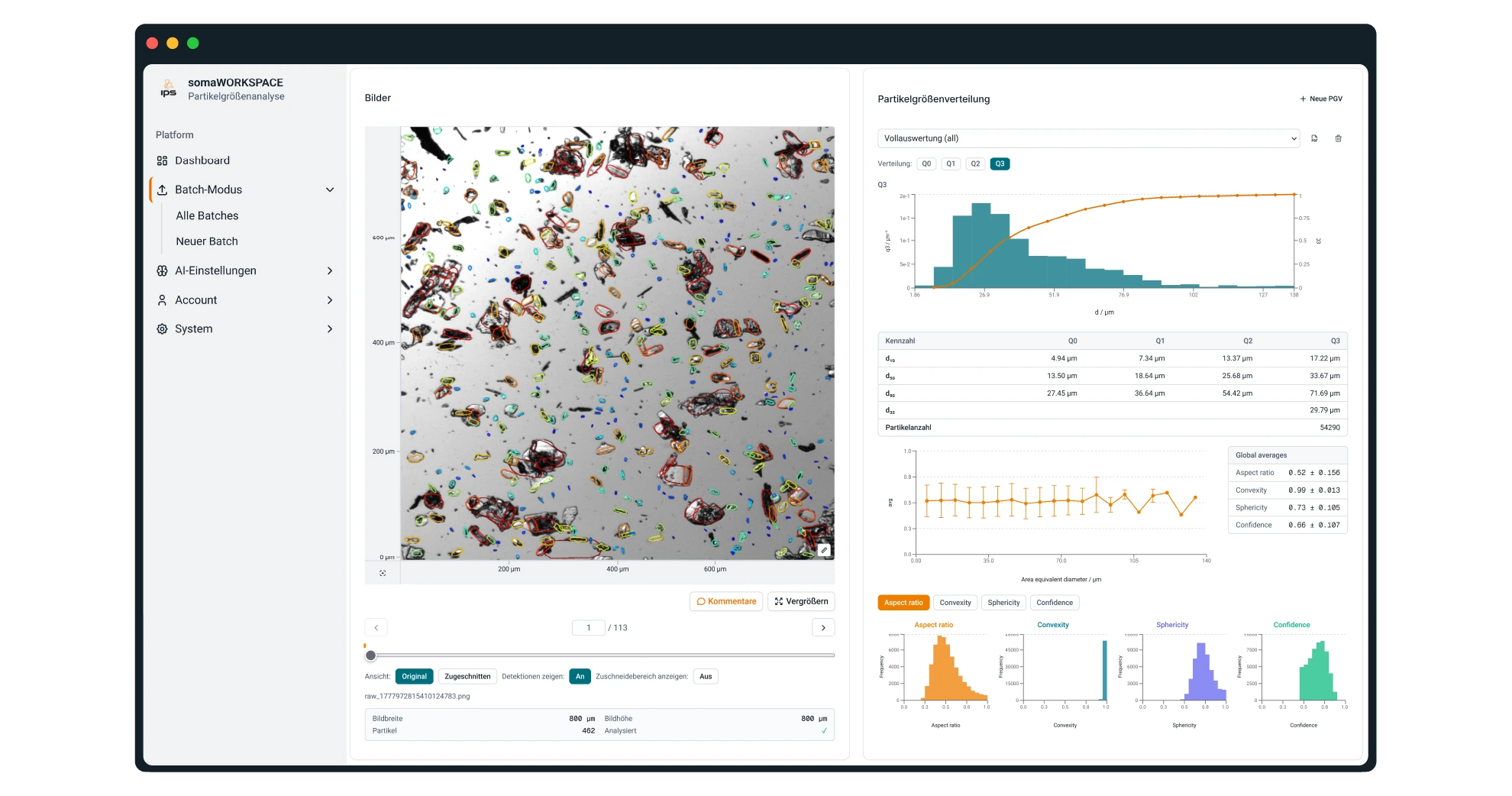
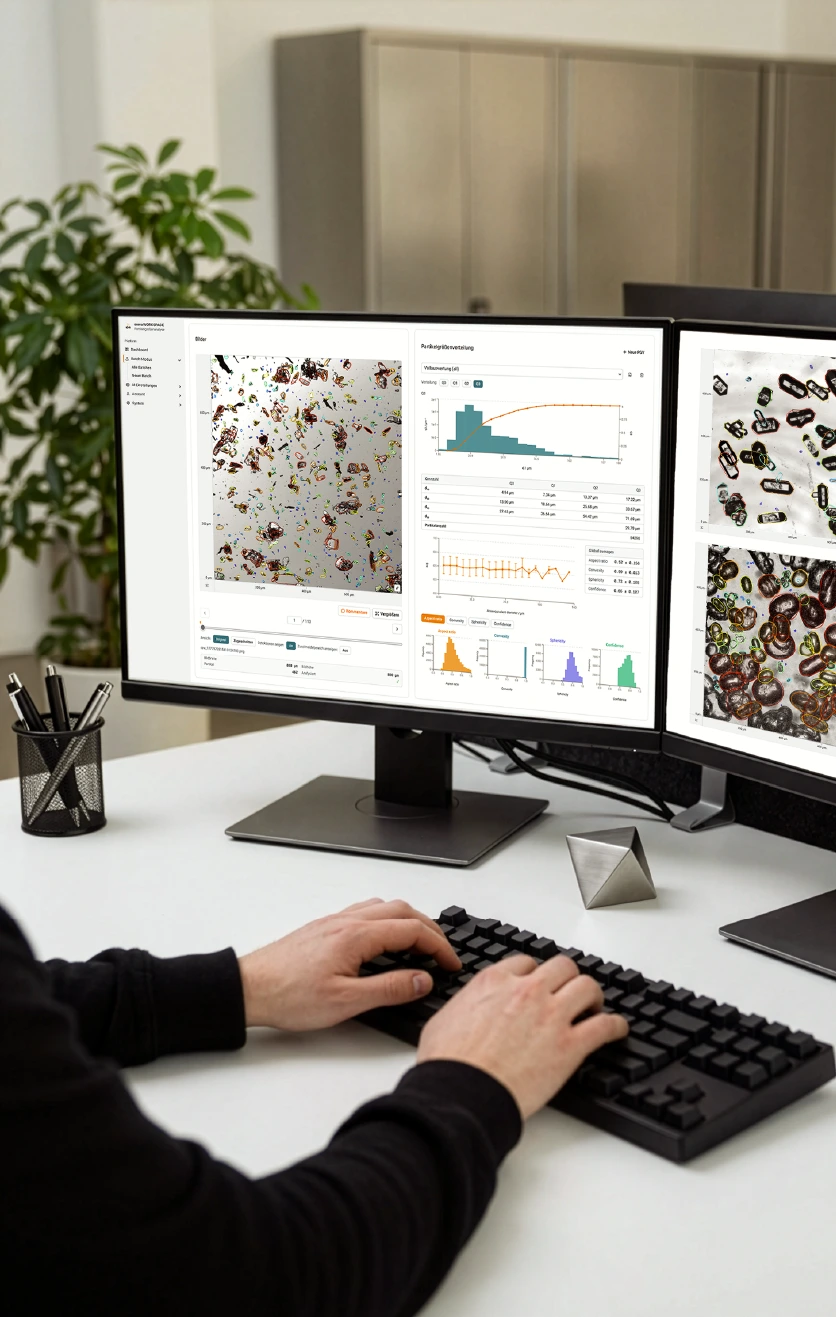
Automated Particle Analysis for Microscopy Images

somaWORKSPACE

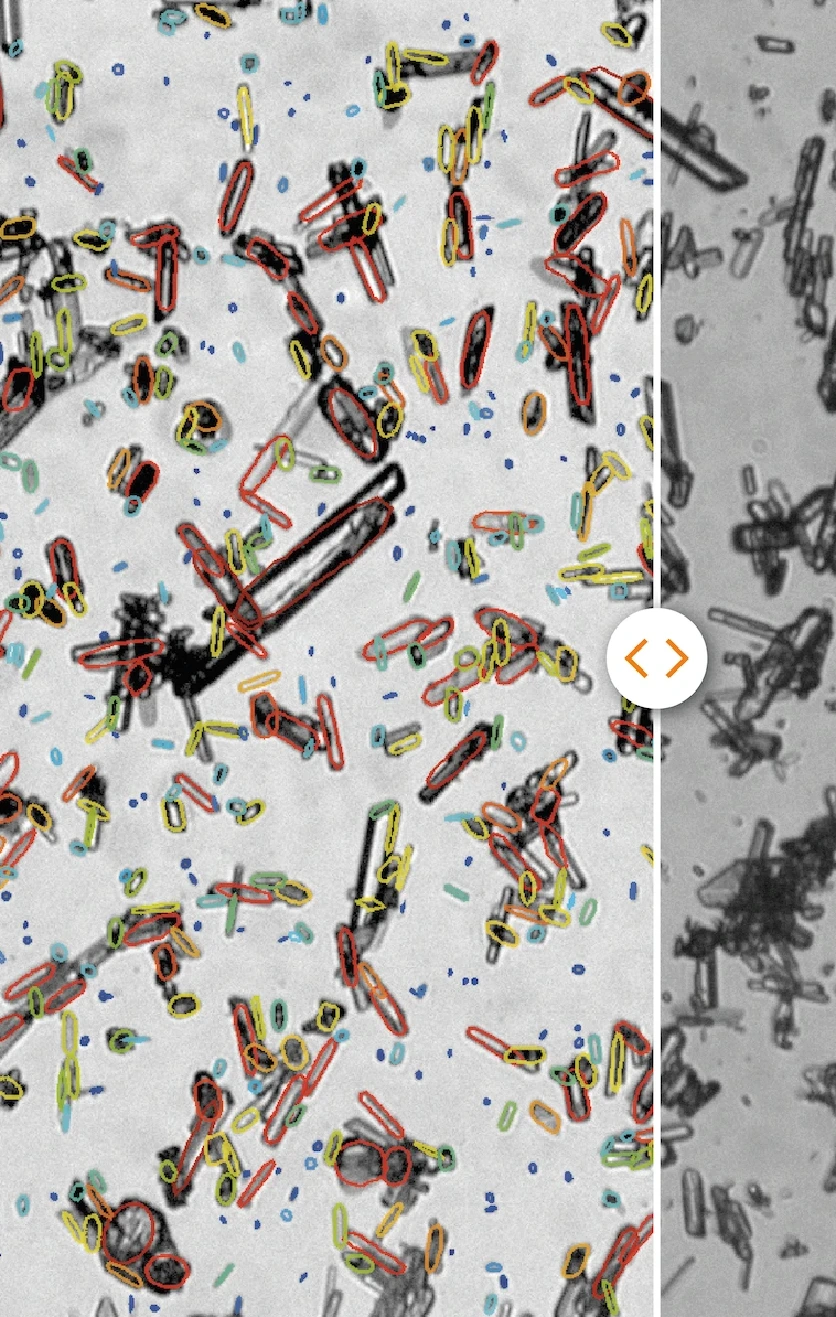
Particle image – AI detections active Particle image – raw image without AI analysis
Raw Image Detection
Precise AI particle analysis – illustration

Precise

Analysis of particle size and shape

Precise

Our company specialises in image analysis of particles with complex shapes, even under severe overlapping and interfering variables. Our long-standing experience allows us to evaluate your image data quickly, reliably and precisely. You receive an analysis tailored to your specific application.

Scalable particle analysis – illustration

Scalable

Applicable to large datasets as well

Scalable

Thanks to our robust algorithm, we are able to analyse large volumes of data for you in a short time. It does not matter whether a sample contains 10 or 10,000 images – as long as the image quality does not change significantly within a sample. Finally, you can have entire image series evaluated automatically.

Predictable process monitoring – illustration

Predictable

Relieving the burden on your specialists

Predictable

Data management, analysis and reporting from a single source. Your experts generate the image data; we take care of reliable evaluation. This makes analysis efforts predictable, sustainably relieves specialists, and deploys laboratory resources efficiently.

Turn process data to value

See our software in action

Schedule Initial Consultation

Image-Based Inline & Online Sensors

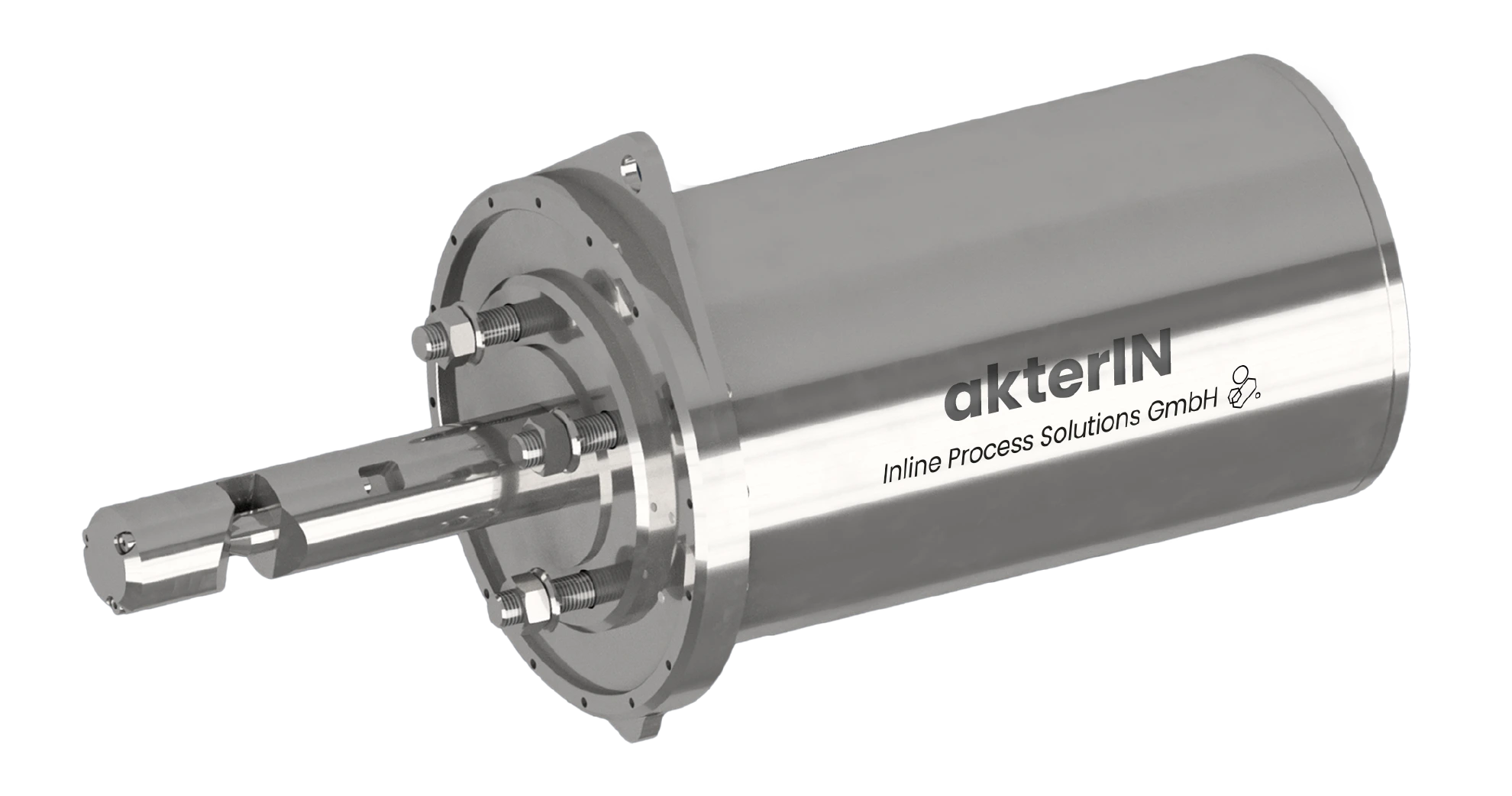
akterIN inline sensor particle analysis

akterIN

akterIN offers a comprehensive solution for the precise real-time detection of solids, bubbles and droplets in liquids. Measurement takes place at the point of interest – directly in the vessel or pipeline. The sensor is used in mixing processes, hydrogen applications and various solid–liquid systems.

akterIN

Benefit from…

  • high-contrast, true-to-scale images from your plant
  • a variable measurement gap – for representative measurements without blockage
Process ConnectionImmersion probe
Flange DN50 – DIN EN 1092-1
Measuring RangeMicro: (8) 11 – 380 (1,090) µm
Meso: (11) 16 – 770 (2,180) µm
Process Temperature–40 to 140 °C
Process Pressure1 to 17 bara
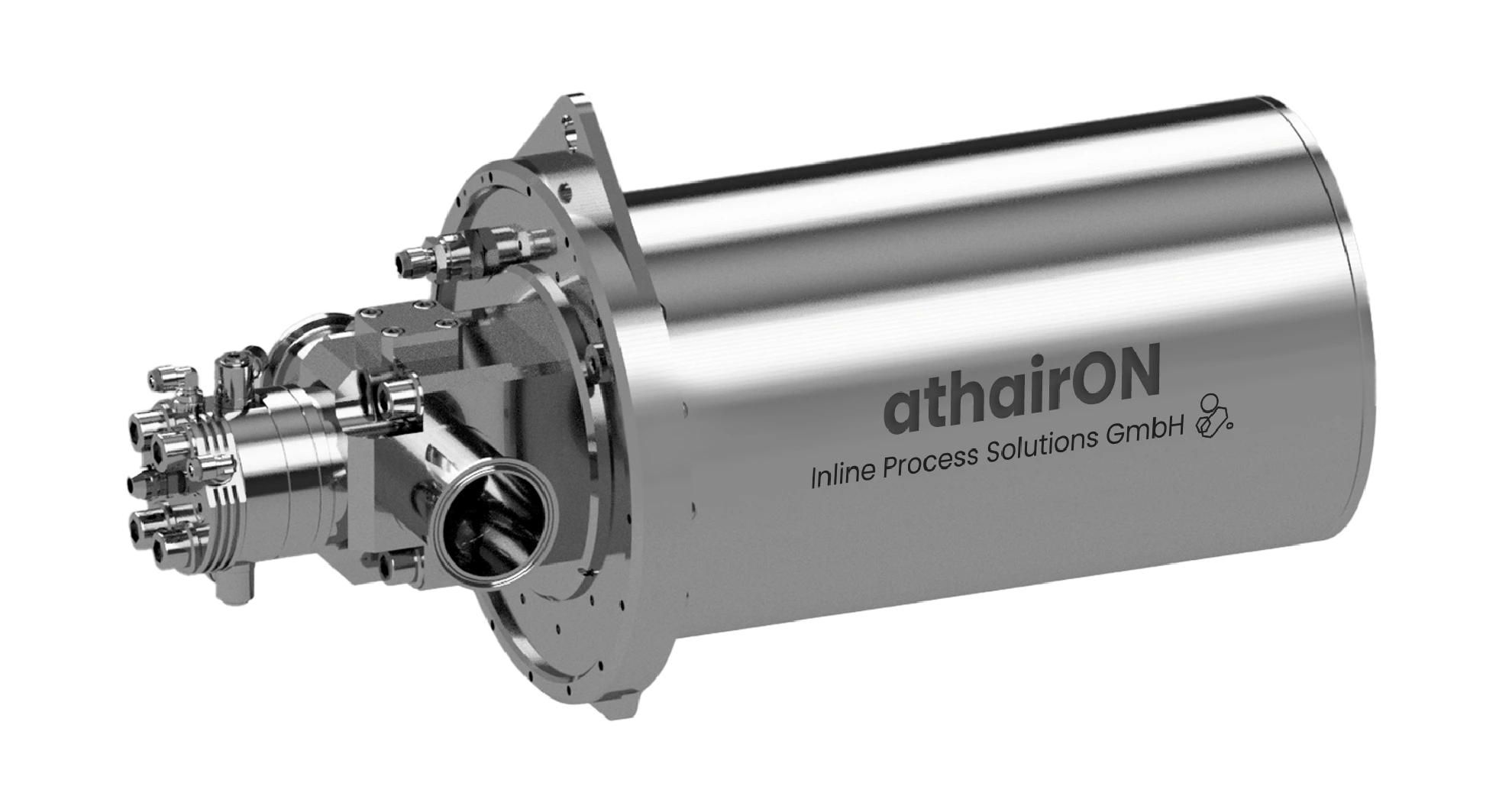
athairON inline sensor pipeline

athairON

athairON is the all-rounder for pipelines: capture solids, bubbles or droplets in real time at excellent image quality. The sensor is used in various solid–liquid systems – including crystallisation, precipitation and extraction, as well as powder and granule processes.

athairON

Benefit from…

  • high-contrast, true-to-scale images from your plant
  • a variable measurement gap with self-cleaning – no fouling or blockage
Process ConnectionFlow-through sensor
Triclamp DN50
Measuring RangeMicro: (7) 10 – 280 (790) µm
Meso: (15) 23 – 1,120 (3,170) µm
Process Temperature–30 to 100 °C
Process Pressure1 to 5 bara
ATEXYes
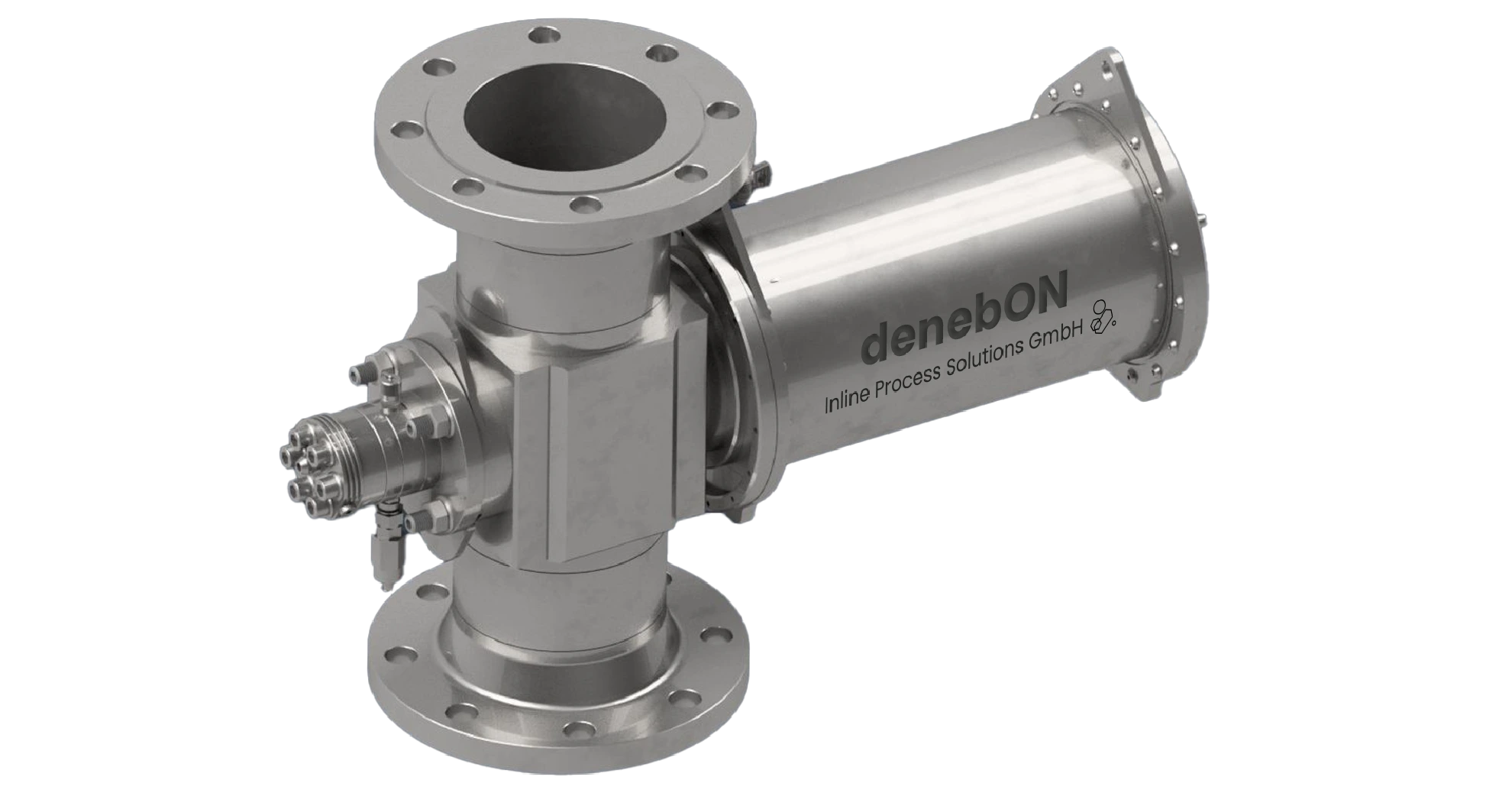
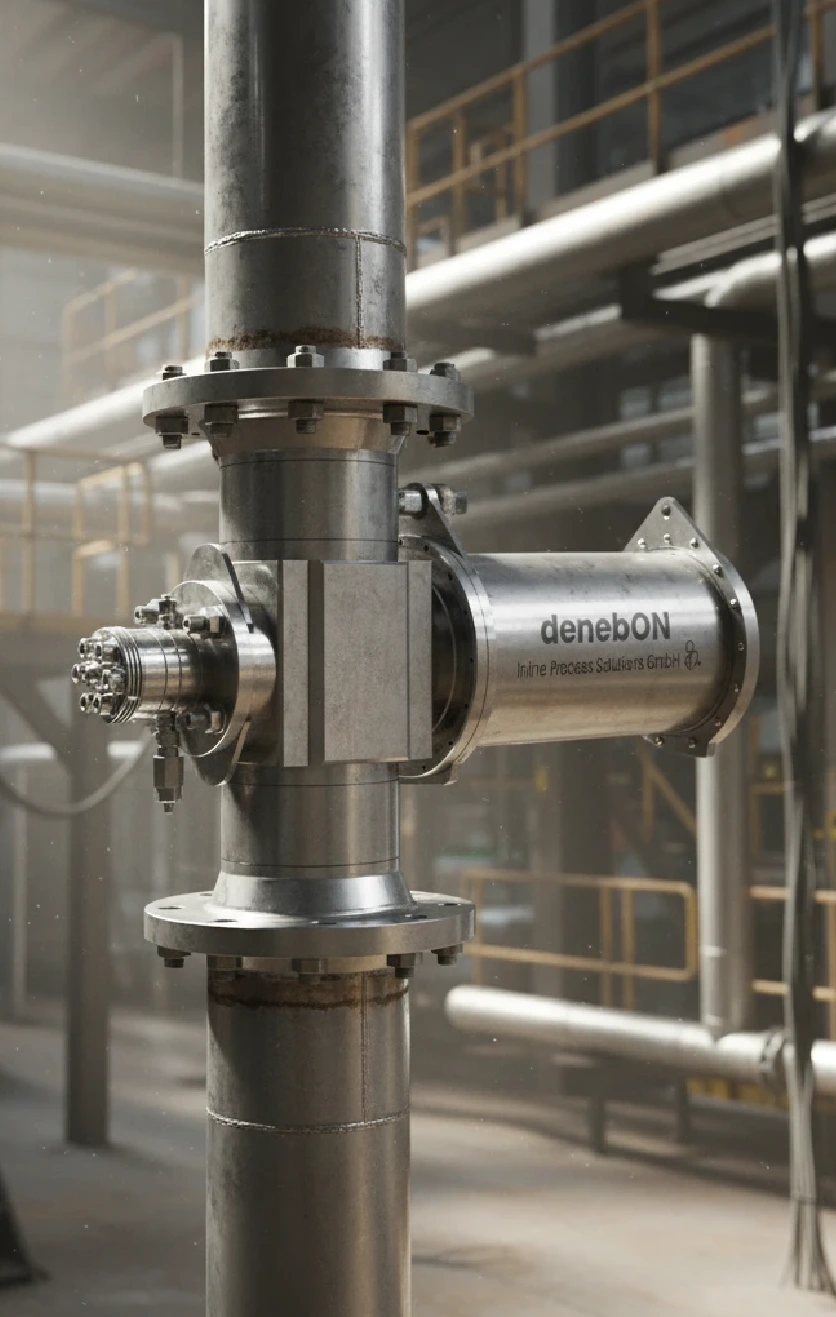
denebON ATEX inline sensor high pressure

denebON

denebON is our answer to demanding process conditions: the sensor enables inline detection of bubbles in liquid streams in potentially explosive environments. Designed to PED standards, precise measurements up to 40 bar are possible.

denebON

Benefit from…

  • high-contrast, true-to-scale images from your plant
  • the ability to quantify bubbles inline under elevated pressure and in potentially explosive environments
Process ConnectionFlow-through sensor
Flange DN150 – DIN EN 1092-1
Measuring RangeMicro: (7) 11 – 650 (1,840) µm
Meso: (11) 24 – 2,160 (6,120) µm
Process Temperature15 to 100 °C
Process Pressure1 to 41 bara
ATEXYes
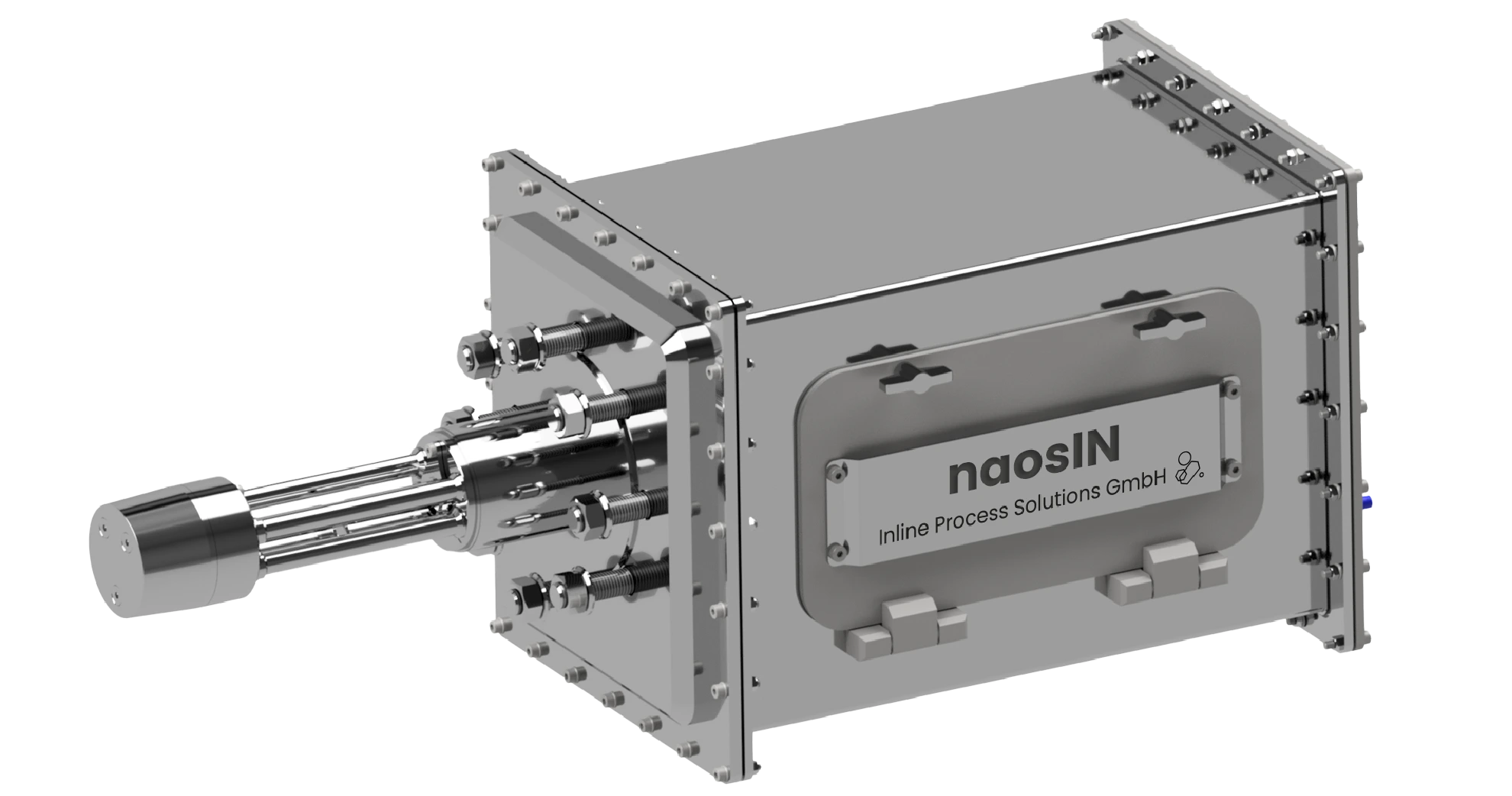
naosIN inline sensor gas stream droplets

naosIN

With naosIN we set new standards: the sensor enables inline detection of droplets and small particles in gas streams. It is used for the design of separators, nozzles and filters, as well as in spray drying processes.

naosIN

Benefit from…

  • high-contrast, true-to-scale images from your plant
  • the ability to quantify sprays, droplets and the finest particles inline
Process ConnectionImmersion probe
Flange DN80 – DIN EN 1092-1
Measuring RangeMicro: (6) 9 – 380 (1,090) µm
Meso: (15) 23 – 770 (2,180) µm
Process Temperature0 to 121 °C
Process Pressure0.1 to 4 bara
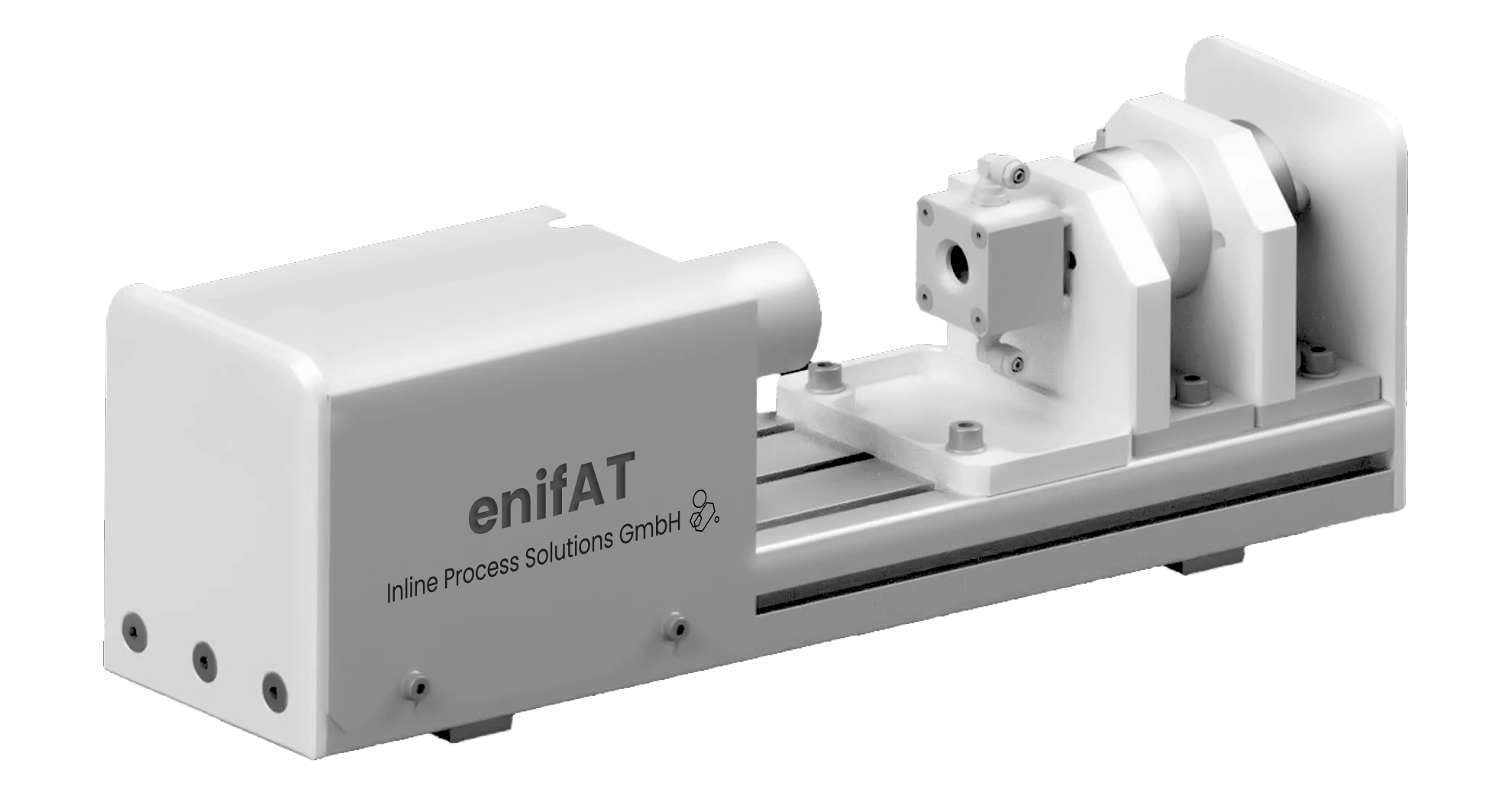
enifAT optical microscope laboratory

enifAT

Looking for an alternative for your laboratory application? Then our benchtop device enifAT is the right choice. Screen suspensions, emulsions or foams to get a rapid overview of your system.

enifAT

Benefit from…

  • Fast and precise screening with small sample volumes
  • Atline and online use of the optical microscope
Process ConnectionSample loop and flow cell
Measuring RangeMicro: (7) 10 – 405 (1,150) µm
Meso: (17) 26 – 1,620 (4,590) µm
Process Temperature0 to 90 °C
Process Pressure1 to 11 bara

Turn process data to value

Find the right solution for your measurement task

Schedule Initial Consultation

Use Cases for Image-Based Inline Particle Measurement

Crystallisation – particle analysis

Crystallisation

Fine chemicals, pharma, food, raw material extraction

Powders and granules – particle analysis

Powders & Granules

Construction materials, advanced materials, recycling, food, equipment for mills & mixers

Emulsions – particle analysis

Emulsions

Polymer chemistry, cosmetics, food

Bubbles – inline measurement

Bubbles

Mining, reaction engineering, electrolysis

Slurries – particle measurement

Slurries

Mining, food

Sprays and droplets – inline sensor

Sprays & Droplets

Equipment for separators, filters & dispersers

Blog & Insights

1,000 Particles in One Image – Which Tool for Evaluation?

In many industries, product quality stands and falls with particles. Capturing high-resolution images is only the first step – the real challenge lies in fast, precise, and reproducible evaluation.

In many industries, product quality stands and falls with particles – in pharmaceuticals, food technology, or special materials such as paints or pigments. Capturing high-resolution images using light and electron microscopy is only the first step. The real challenge lies in the evaluation: How can we quickly, accurately, and reproducibly convert a particle image into valid data on particle size and shape?

The status quo: Manual evaluation. An experienced specialist often needs 30 to 60 minutes to accurately measure just 100 particles. Regulatory requirements exacerbate the problem, as a minimum of over 1,000 particle detections are required for statistical significance in safety assessments.

Initial automation: Classic image processing methods. Rule-based algorithms often fail in practice: as soon as particles significantly overlap or contrast fluctuates, these methods see only light and dark pixel values – not physical objects.

The solution of the future: AI-based object recognition. A neural network learns from examples and recognises particles even at extremely high densities or with high noise. The effort for initial training pays off quickly – the output is fully automated analysis in real time.

Particles in the Spotlight! Why Pictures Say More Than Laser Beams

Laser-based methods are considered the gold standard in particle measurement technology. But when it comes to truly understanding processes and making optimisations, laser devices quickly reach their limits.

Direct images instead of indirect signals. Laser-based systems measure particle sizes via scattering patterns and thus provide indirect approximations. Image-based sensors deliver real images of the particles directly in the process – allowing not only size, but also shape, structure, and agglomeration to be detected.

Shape and structure are crucial. In many chemical and pharmaceutical processes, the shape of particles is just as important as their size. Image-based systems provide clear differentiation and quantifiable data on all relevant particle types. Foreign particles or unwanted inclusions can also be detected, significantly improving quality assurance.

Resistance to harsh production conditions. Image-based inline systems continuously detect particles directly in the process – allowing aggregation, dispersion, or breakage to be detected immediately and process adjustments made in real time.

AI-supported analysis. Image-based systems can use artificial intelligence to automatically detect and classify particles, immediately quantifying parameters such as size, shape, aggregate state, or foreign particles.

Never Lose Sight of the Big Picture – Inline Use of Optical Measurement Methods

The trend in manufacturing is towards automation. This requires more and more process data to be collected inline – but implementation is particularly challenging for optical measured variables.

Optical measuring devices all work on the same principle: a light beam is sent into the fluid and altered there. A detector records the change.

Challenges in implementation: The optical access to the apparatus must be kept clear at all times. The sensitive electronics must be shielded against high temperatures and humidity. The alignment of the optical axis must remain stable even under vibrations.

Particularly tricky: choosing the right light source. The lighting must be strong and homogeneous, while exposure times must be kept short to avoid motion blur when fluids are moving.

Conclusion: Image-based optical inline measuring devices are most worthwhile in processes with high savings potential, in sensitive process steps, and in safety-relevant plant components.

Particle Flows – The Magic of Process Engineering

With our sensor technology, we make particle flows visible in production plants in the chemical and food industry. Whenever a second phase is created in a flow, we refer to it as a multiphase flow.

Particles can be so much more than solid chunks in a stream! Whenever a second phase is created due to a different state of aggregation, we refer to it as a particle flow or multiphase flow – this can be a solid particle in a flowing liquid, a bubble in liquid, a droplet in a gas stream, or a droplet in an immiscible liquid.

All the magic of chemistry and process engineering takes place at the interface between medium and particle: heat transfer, reaction, and changes in concentration. Without particle flows, many reactions would not work.

With our images, we provide the key data: How many particles are there? How big are they, what shape do they have, and how do they change over time?

The Correct Particle Shape – The Decisive Factor for Successful Crystallisation

Why is real-time detection of particle size and shape so important in crystallisation? The crystallisation broth leaving the crystalliser is not yet the final product.

During crystallisation, crystals are formed from a liquid solution through cooling or evaporation. Which crystal shape will emerge is difficult to predict: different shapes can form depending on the solvent, stirring speed, and cooling rate. Crystal breakage, agglomerates – all these phenomena overlap in the crystalliser.

Crystal shape is decisive for all subsequent steps: filtration, drying, and formulation (tablet, powder, fertiliser pellet) only work well if the crystal shape is correct. Uniform, large crystals filter better; round particles flow well, while needle-shaped crystals tend to clump.

If parameters are not correct, crystals must be discarded or re-dissolved – an expensive, time-consuming process. That is why we want to measure these parameters directly during crystallisation: less waste, fewer process disruptions, higher product quality.

Entrainment – The Invisible Efficiency Killer

Entrainment is the carryover of foreign phases into product streams in process engineering. If it is greater than calculated, performance losses and equipment damage are to be expected.

In separation apparatus (distillation, extraction), phases must be separated again at the outlet. For perfect separation, the apparatus would have to be infinitely large. The compromise: a small part of the foreign phase is carried along – this is entrainment.

Entrainment causes a loss of valuable material, increases energy consumption, and can damage downstream equipment such as pumps or compressors. Even installed separators eventually reach their limits and "break through".

Conclusion: Entrainment cannot be prevented and is factored into plant design. However, if it is greater than calculated, performance losses are to be expected. Real-time monitoring of entrainment in critical process steps is therefore strongly recommended!

Inline Sensor Technology – The Preferred Method in Process Analytics

We advertise our sensors with the word "inline" – but what does that mean exactly for the application? A brief introduction to Process Analytical Technology (PAT).

A general distinction is made between 4 types of measurement data acquisition: OFFLINE (sample to the laboratory), ATLINE (analysis close to the plant), ONLINE (sample loop), and INLINE (measuring device directly in the plant – the supreme discipline).

Inline means: real real-time data without distortion at the point of action. Measurement variables that are easy to detect inline include temperature and mass flow. Particle size, however, is currently still often measured offline!

The result: no real-time data, no possibility to counteract incorrect particle size in the process, no data for non-samplable particles (droplets, bubbles) – and thus: unwanted plant downtime, disposal of failed products, trial and error in troubleshooting.

Therefore: Measure particle sizes inline – save money and valuable time!

FAQ – Particle Measurement Technology

Various particle measurement techniques are used for inline measurements in industrial processes, including laser-based methods (e.g., light scattering or diffraction techniques), acoustic measurement principles, and optical imaging methods. While many of these techniques provide only average particle sizes or indirect parameters, they reach their limits with inhomogeneous systems, fluctuating concentrations, or complex particle shapes. Image-based inline particle measurement technology has proven to be particularly powerful: it detects particles directly within the process, provides real images, and enables the simultaneous determination of particle size, shape, and distribution in real time. Inline Process Solutions develops and manufactures high-resolution image-based inline sensors specifically designed for demanding applications in the chemical and food industries, delivering reliable, process-relevant data for optimal process control.

Various measurement techniques are used to optimise crystallisation processes, including offline laboratory analyses, laser-based particle measurement methods, and inline sensors for monitoring process parameters. However, many of these approaches provide only time-delayed or averaged information and offer limited insight into the actual crystal morphology during ongoing processes. Image-based inline measurement technology enables direct, process-close monitoring of crystals and continuously delivers real image data on crystal size, shape, and distribution. With the inline sensors athairON and akterIN, Inline Process Solutions offers powerful solutions specifically designed for crystallisation processes, supporting targeted and well-founded optimisation of crystal growth, product quality, and process stability.

Various measurement techniques are available for the characterisation of sprays and droplets, including laser-based methods such as phase Doppler anemometry and light scattering techniques, as well as camera-based systems. However, many of these approaches are designed for idealised conditions and often provide only limited or indirect information under real process conditions. Image-based inline particle measurement technology captures sprays and droplets directly within the process and enables real-time analysis of individual droplets in terms of size, shape, and distribution. The inline sensor naosIN from Inline Process Solutions is specifically designed for these applications and delivers robust, high-resolution measurement data, enabling reliable monitoring and optimisation of spray and droplet processes.

Yes, powders can be measured online directly within the running process; however, the choice of measurement method strongly depends on particle size, concentration, and process conditions. Common techniques such as laser diffraction provide average particle size values but quickly reach their limits with heterogeneous or agglomerated powders. Image-based inline particle measurement technology is particularly powerful, as it detects individual powder particles directly and delivers real-time data on particle size, shape, and distribution. With the athairON and akterIN sensors, Inline Process Solutions offers robust solutions specifically developed for powder measurement in industrial processes, enabling precise, process-close monitoring.

Chemical production requires sensors that deliver reliable measurement data directly within the process. In addition to laser-based or acoustic methods, image-based inline sensors have proven to be particularly powerful, as they detect particles directly and provide real-time data on particle size, shape, and distribution. The sensors from Inline Process Solutions, including athairON and akterIN, are specifically designed for the harsh conditions of chemical production: robust, ATEX-certified, and resistant to high temperatures and pressures. This enables precise and safe process monitoring in demanding industrial environments.

Both technologies have their strengths; however, for many industrial applications, image-based inline particle measurement technology offers clear advantages. Laser-based methods (e.g., light scattering or diffraction) often provide only average values or indirect particle size information and quickly reach their limits with complex particle shapes, agglomerates, or inhomogeneous systems. Image-based systems detect particles directly and in real time – in addition to particle size, they provide information on particle shape and size distribution, enabling detailed, process-close analysis. The sensors from Inline Process Solutions, such as athairON, akterIN, and naosIN, are also robust, ATEX-certified, and designed to withstand high temperatures and pressures, making them ideal for demanding applications in chemical and food production.

Contact